Understanding Rosacea: Expert Solutions for Redness and Flare-Ups
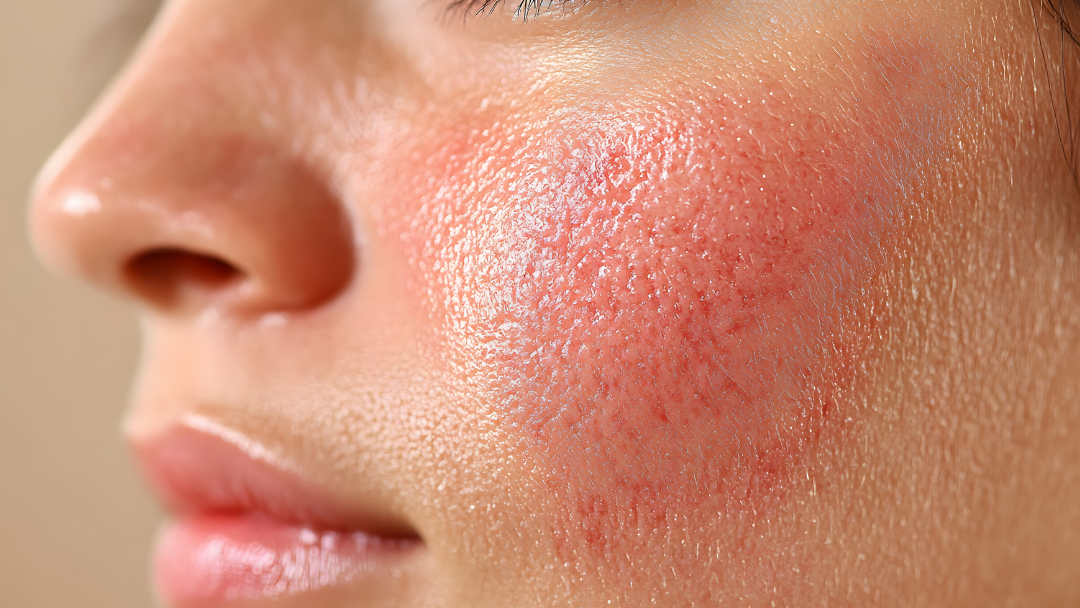
Manage redness, inflammation, and recurring flare-ups with personalized dermatology treatments tailored to your skin type and concerns.
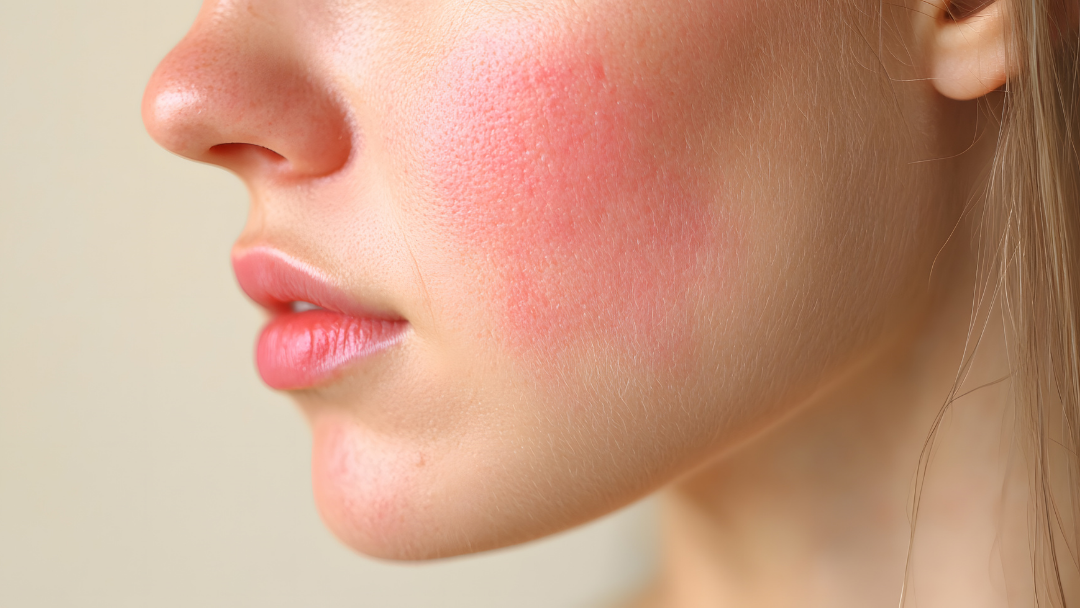
Rosacea is a common chronic skin condition that affects millions of people worldwide. Characterized by persistent redness, visible blood vessels, flushing, and sometimes acne-like bumps, rosacea can be both physically uncomfortable and emotionally distressing. While the condition often affects the face, it can appear on the cheeks, nose, chin, and forehead, and in some cases, the eyes (ocular rosacea).
At Q Dermatology + Aesthetics Centre, our expert dermatologists specialize in diagnosing and managing rosacea. Through personalized treatment plans, we help patients reduce inflammation, manage flare-ups, and restore skin confidence. This blog will guide you through rosacea causes, symptoms, triggers, and professional treatment options to help you understand and effectively manage your condition.
What is Rosacea?
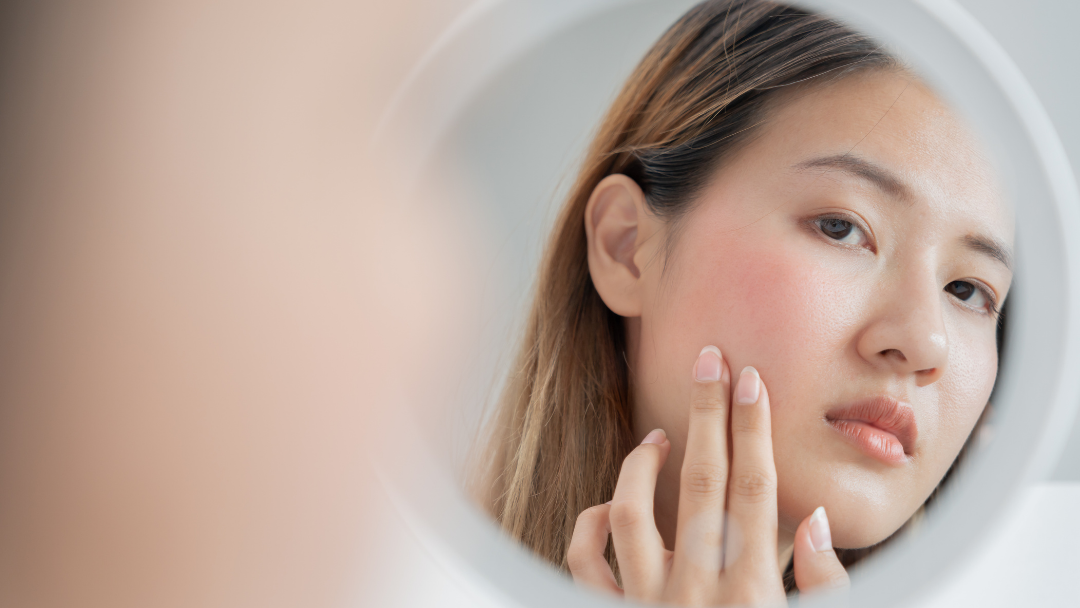
Rosacea is a chronic skin disorder that primarily affects adults, most commonly between the ages of 30 and 50. While it is more prevalent in fair-skinned individuals, it can affect people of all skin types. Unlike acne, rosacea is not caused by bacteria and is not contagious.
The condition often progresses slowly, starting with periodic flushing or redness of the face. Over time, it may develop into more persistent symptoms such as:
Persistent facial redness (erythema)
Visible blood vessels (telangiectasia)
Bumps and pimples resembling acne (papulopustular rosacea)
Thickening of the skin, especially around the nose (phymatous rosacea)
Eye irritation, dryness, or redness (ocular rosacea)
Although the exact cause of rosacea is not fully understood, genetic predisposition, immune system abnormalities, environmental factors, and vascular hyperreactivity are all believed to contribute.
Common Symptoms of Rosacea
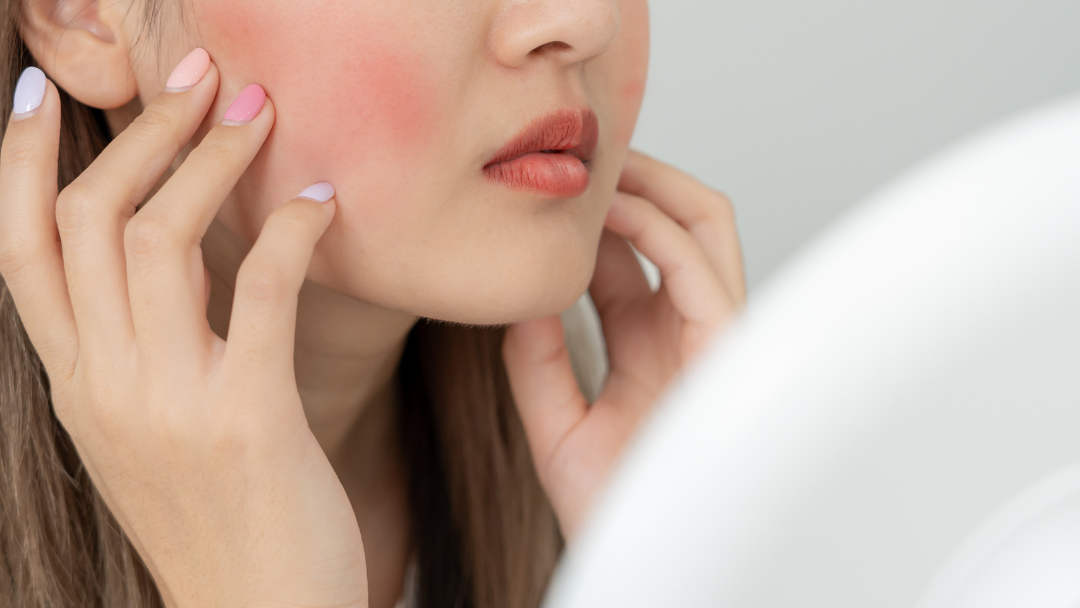
Recognizing the signs of rosacea early is key to effective management. Common symptoms include:
Facial Redness
Persistent redness on the cheeks, nose, chin, or forehead is one of the earliest and most common signs. Flushing may occur in response to triggers such as heat, stress, or spicy foods.Visible Blood Vessels
Tiny blood vessels under the skin may become visible, creating a network of fine red lines on the face.Bumps and Pimples
Papules and pustules may develop, which can be mistaken for acne but are different in origin and treatment.Thickened Skin
In severe cases, particularly in men, the skin may thicken, often around the nose, a condition called rhinophyma.Eye Symptoms
Ocular rosacea can cause dryness, irritation, redness, and a gritty sensation in the eyes. Untreated ocular rosacea may lead to complications, including vision problems.
Triggers That Worsen Rosacea
Identifying and avoiding triggers is an important part of managing rosacea. Common triggers include:
Sun exposure – UV rays can worsen redness and inflammation.
Hot weather or wind – Extreme temperatures may trigger flare-ups.
Stress and emotions – Anxiety, embarrassment, or anger can lead to facial flushing.
Dietary triggers – Spicy foods, alcohol (especially red wine), and hot beverages.
Skincare products – Harsh cleansers, exfoliants, and fragrances may irritate sensitive skin.
Exercise – Intense workouts can temporarily increase redness.
By keeping a rosacea diary, patients can identify personal triggers and minimize exposure to factors that exacerbate symptoms.
Types of Rosacea
Understanding the subtype of rosacea helps guide treatment:
Erythematotelangiectatic Rosacea (ETR)
Characterized by persistent redness and visible blood vessels.
Flushing may be triggered by heat, stress, or spicy foods.
Papulopustular Rosacea
Resembles acne with red bumps and pustules.
Often accompanied by facial redness.
Phymatous Rosacea
Skin thickening, commonly on the nose (rhinophyma).
More common in men.
Ocular Rosacea
Eye symptoms such as dryness, irritation, redness, and swelling.
Can occur with or without facial symptoms.
Professional Treatment Options at Q Dermatology
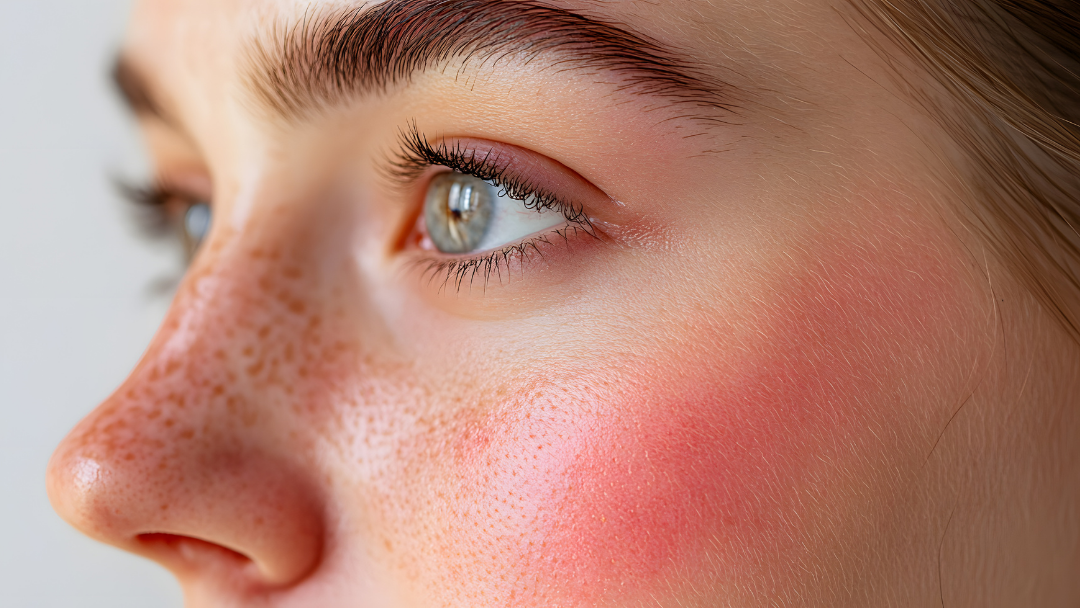
Rosacea treatment is personalized, targeting both symptoms and underlying triggers. At Q Dermatology + Aesthetics Centre, our dermatologists offer:
1. Topical Medications
Metronidazole, Azelaic Acid, or Ivermectin creams reduce inflammation, redness, and papules.
Applied directly to affected areas for daily management.
2. Oral Medications
Antibiotics such as doxycycline may be prescribed for moderate to severe rosacea.
Reduce inflammation and prevent flare-ups from recurring.
3. Laser & Light Therapies
Pulsed Dye Laser (PDL) or Intense Pulsed Light (IPL) treatments target visible blood vessels and persistent redness.
Reduce flushing and improve skin texture and tone.
4. Skincare Guidance
Gentle cleansers, moisturizers, and sunscreens specifically formulated for sensitive skin.
Avoidance of triggers like harsh chemicals, alcohol-based toners, and exfoliants.
5. Eye Care for Ocular Rosacea
Prescription eye drops or eyelid hygiene routines to manage irritation and dryness.
6. Lifestyle & Trigger Management
Identifying and avoiding individual triggers through diaries and professional guidance.
Incorporating anti-inflammatory diets and stress-reducing routines.
Daily Skincare for Rosacea
Maintaining a consistent skincare routine is essential:
Gentle Cleansing: Avoid harsh scrubs; use lukewarm water.
Moisturize: Keeps skin barrier strong and reduces irritation.
Sunscreen: Daily use of broad-spectrum SPF protects sensitive skin.
Targeted Treatment: Apply prescribed topical medications as directed.
Avoid over-exfoliation, alcohol-based toners, and products with irritants.
Benefits of Professional Rosacea Care
Reduce Redness and Inflammation: Personalized treatments calm the skin and prevent flare-ups.
Improve Skin Appearance: Laser and topical therapies reduce visible blood vessels and bumps.
Protect Eye Health: Ocular rosacea management prevents long-term eye complications.
Increase Confidence: Clearer, calmer skin enhances self-esteem and comfort in social settings.
When to See a Dermatologist
Seek professional care if you experience:
Persistent facial redness or flushing
Acne-like bumps that don’t respond to over-the-counter treatments
Visible blood vessels on the face
Eye irritation, dryness, or redness
Thickened skin changes
Early intervention can prevent worsening symptoms and improve long-term outcomes.
Lifestyle Tips to Support Treatment
Avoid direct sun exposure; wear protective clothing and SPF daily.
Identify and minimize personal triggers (diet, stress, weather).
Use fragrance-free, gentle skincare products.
Maintain hydration and a balanced diet.
Rosacea is a manageable chronic skin condition with the right professional care and lifestyle adjustments. At Q Dermatology + Aesthetics Centre, our dermatologists provide personalized treatment plans that combine topical and oral medications, laser therapy, and expert skincare guidance.
By addressing both the visible symptoms and underlying triggers, patients can reduce flare-ups, calm inflammation, and enjoy healthier, more confident skin.
Don’t let rosacea control your life. Take the first step toward clearer, calmer skin with professional dermatology care tailored specifically to your needs.
Learn more or book your consultation today at qderm.ca