Understanding the Root Causes of Acne and How Dermatology Can Help
Understanding the Root Causes of Acne and How Dermatology Can Help
Acne is one of the most common skin conditions affecting individuals of all ages, from teens to adults. While acne is often thought of as a condition limited to adolescence, it can continue to affect individuals into their 30s, 40s, and beyond. The causes of acne are multi-faceted, ranging from hormonal changes to lifestyle factors, and understanding the root causes can help us address the problem more effectively.
What Causes Acne?
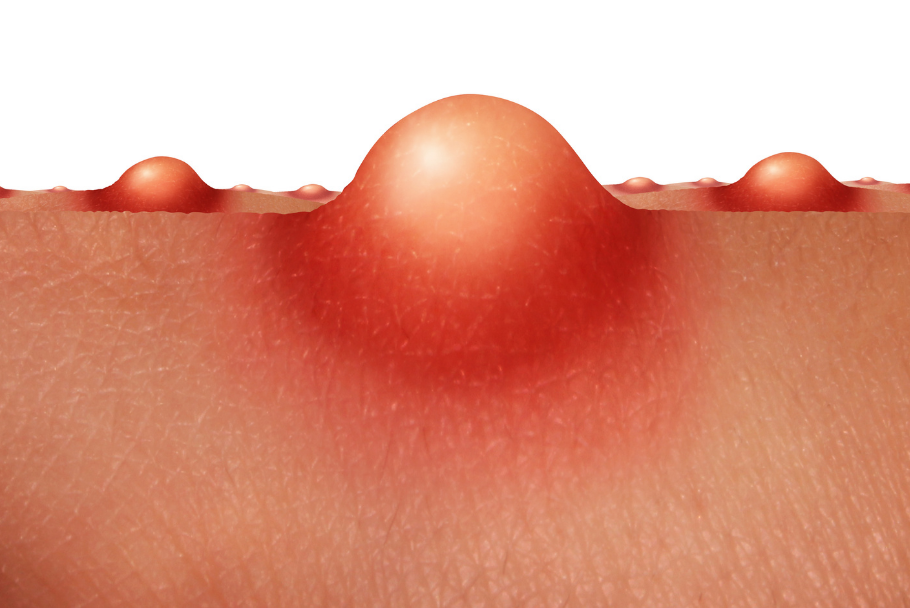
Acne develops when hair follicles become clogged with oil, dead skin cells, and sometimes bacteria. This creates an environment conducive to the development of pimples, blackheads, and cysts. However, there are several key factors that contribute to the formation of acne, and dermatology plays a crucial role in identifying and treating these causes.
Hormonal Changes: One of the most common triggers of acne is hormonal fluctuations, especially during puberty, menstruation, pregnancy, and times of stress. Androgens, the male hormones present in both men and women, increase the size and activity of sebaceous (oil) glands, leading to excess oil production and clogged pores.
Genetics: If your parents had acne, you’re more likely to experience it as well. Acne tends to run in families, which suggests a genetic predisposition to the condition.
Bacteria: The skin is home to a variety of bacteria, and one of the most notorious for causing acne is Propionibacterium acnes (P. acnes). These bacteria thrive in the oily, clogged follicles, leading to inflammation and the development of pimples.
Diet and Lifestyle: Although research is still ongoing, some studies suggest that certain foods—such as high-glycemic-index foods (sugary and processed items)—can worsen acne. Stress, inadequate sleep, and poor hygiene may also contribute to flare-ups.
How Dermatology Can Help
Dermatologists are experts in diagnosing and treating acne at all stages. Through a combination of topical treatments, oral medications, and advanced procedures, dermatology can help reduce acne flare-ups and prevent scarring.
Top Acne Treatments Recommended by Dermatologists: What Works and Why
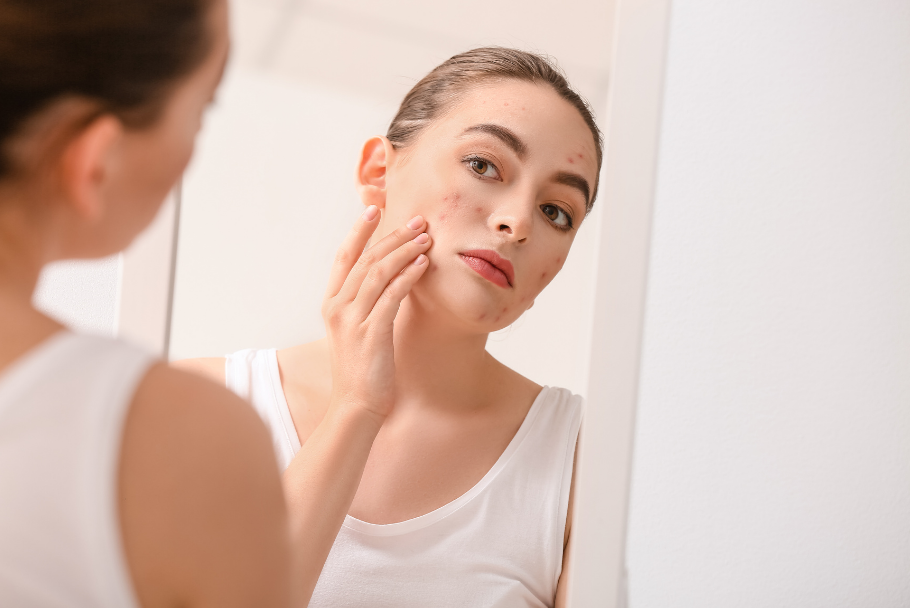
When it comes to acne treatments, dermatologists recommend a variety of options, depending on the severity of the acne and the individual’s skin type. These treatments aim to control oil production, reduce inflammation, kill bacteria, and promote the turnover of skin cells.
Topical Treatments: These are the most common and include over-the-counter and prescription options. Ingredients like benzoyl peroxide, salicylic acid, and retinoids are commonly prescribed.
Benzoyl Peroxide: This powerful ingredient works by killing acne-causing bacteria, reducing inflammation, and clearing clogged pores. It is often used as a first-line treatment for mild to moderate acne.
Salicylic Acid: A beta-hydroxy acid (BHA), salicylic acid exfoliates the skin and penetrates the pores, helping to remove dead skin cells and reduce congestion.
Retinoids: These vitamin A derivatives are the gold standard for treating acne. Retinoids speed up skin cell turnover, preventing clogged pores, and are highly effective at reducing acne lesions and preventing new breakouts.
Oral Medications: In cases of moderate to severe acne, dermatologists may prescribe oral antibiotics like tetracycline or doxycycline to reduce bacterial growth and inflammation.
Oral Isotretinoin (Accutane): For severe, cystic acne that doesn’t respond to other treatments, isotretinoin is often considered. This medication shrinks sebaceous glands, reduces oil production, and prevents future breakouts. However, it requires close monitoring due to potential side effects.
How Laser Treatments and Chemical Peels Can Transform Your Acne
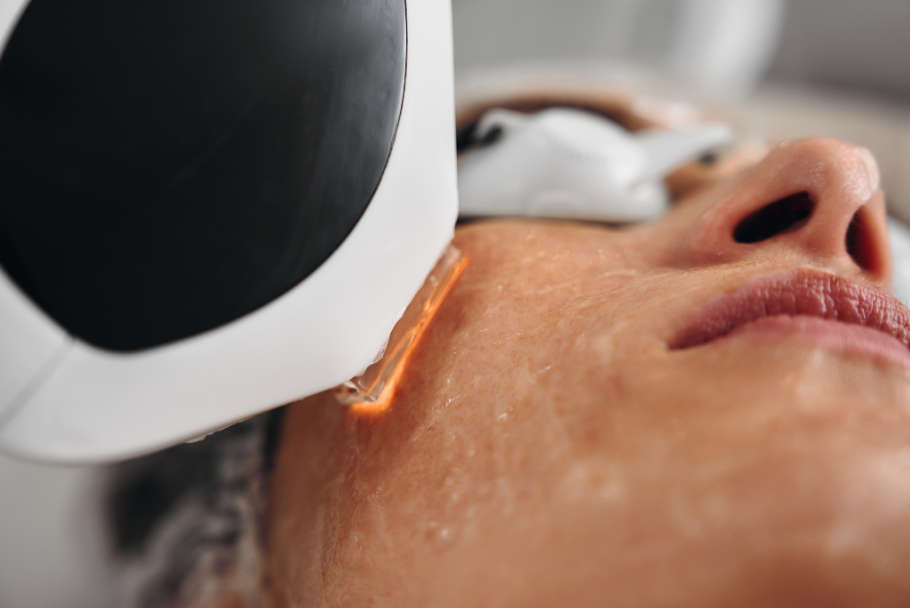
For many individuals, topical medications and oral treatments aren’t enough, especially if acne scars have already formed. Laser treatments and chemical peels offer advanced, non-invasive ways to treat active acne and reduce scarring.
Laser Treatments:
V-Beam Laser: This laser is ideal for reducing redness and inflammation caused by acne. By targeting blood vessels, it can diminish the appearance of acne-related redness and scarring.
PicoWay Laser: The PicoWay laser uses ultra-short pulses to target acne scars and pigmentation, stimulating collagen production and promoting smoother skin.
Laser treatments work by targeting the deeper layers of the skin, promoting healing, and reducing the appearance of both active acne and scarring.
Chemical Peels:
Chemical peels are one of the most popular procedures for treating acne and acne scars. A chemical solution is applied to the skin, which exfoliates the outer layer, removes dead skin cells, and stimulates skin regeneration.Salicylic Acid Peels: These are especially effective for acne-prone skin as they penetrate deep into the pores to clear up clogs and reduce inflammation.
Glycolic Acid Peels: These peels target acne scars, helping to fade hyperpigmentation and smooth the skin’s surface.
Chemical peels are beneficial in clearing up existing breakouts while promoting new, healthier skin growth.
The Role of Topical and Oral Medications in Acne Treatment
Topical treatments like creams and gels are typically the first step in acne management, but for those with more severe acne, oral medications are often needed.
Topical Medications: These are often used to treat mild to moderate acne. Topical retinoids, benzoyl peroxide, and antibiotics help reduce clogged pores, bacteria, and inflammation, improving overall skin health.
Oral Medications: For more persistent acne, oral antibiotics or hormonal treatments may be necessary. Antibiotics help to kill bacteria and reduce inflammation, while hormonal medications regulate the androgens responsible for excess oil production.
Oral Isotretinoin (Accutane): This is a strong medication prescribed for severe acne that doesn’t respond to other treatments. It works by reducing oil production, preventing clogged pores, and minimizing inflammation, often resulting in long-term acne remission.
Acne Scarring: Effective Dermatology Treatments to Smooth Your Skin
While acne itself can be challenging, acne scarring can often be an even bigger concern. Fortunately, dermatologists offer several effective treatments to minimize scarring and restore smoother skin.
Microneedling: This treatment uses tiny needles to create micro-injuries in the skin, stimulating collagen production and promoting healing.
Laser Resurfacing: Fractional laser treatments target damaged skin layers, stimulating new, healthy skin growth and reducing the appearance of scars.
Dermal Fillers: For deep scars, dermal fillers can be injected to restore volume and smooth the skin’s surface.
Why You Should Trust a Dermatologist for Your Acne Care
Acne can often be challenging to treat on your own, and professional dermatological care is essential for effectively managing the condition. Dermatologists have the knowledge and experience to identify the root causes of acne, tailor treatment plans, and monitor progress.
They are trained to recommend the most appropriate treatments for your skin type and condition, and can address concerns such as scarring, pigmentation, and flare-ups. Consulting with a dermatologist ensures you're receiving the best care, backed by science and expertise.
Acne and Hormones: How Dermatology Can Help Balance Your Skin
Hormonal changes are one of the primary triggers of acne, particularly in adolescents and adults. Fluctuations in hormones like androgens cause oil glands to enlarge and produce more sebum, leading to clogged pores and acne breakouts.
Hormonal Treatments: Dermatologists may recommend oral contraceptives or anti-androgen medications like spironolactone to regulate hormones and reduce acne flare-ups caused by hormonal imbalances.
Dealing with Adult Acne: Dermatology Solutions for Clearer Skin
Adult acne can be just as frustrating as teenage acne, but it requires a different approach. Hormonal changes, stress, diet, and lifestyle factors all contribute to acne in adulthood. Dermatologists can help identify the specific causes and recommend treatments that will clear up adult acne effectively, including lifestyle changes, dietary adjustments, and targeted treatments like hormonal therapy or laser therapy.
From Blackheads to Cystic Acne: A Dermatologist’s Approach to Treatment
Whether you have blackheads, whiteheads, papules, pustules, or cystic acne, a dermatologist will provide the right treatment for your specific acne type. For blackheads, topical treatments may suffice, while cystic acne may require more aggressive treatments like oral medications or isotretinoin.
A dermatologist will provide you with a comprehensive plan to address your acne concerns, focusing on reducing breakouts, preventing new ones, and treating any scarring.
What to Expect from Your First Acne Treatment Appointment at the Dermatologist

At your first appointment, your dermatologist will perform a thorough examination of your skin to assess the severity of your acne. Based on this, they will recommend a treatment plan that may include topical treatments, oral medications, or advanced procedures like laser therapy.
Expect to discuss your skincare routine, any previous treatments, and lifestyle factors that could contribute to your acne. Your dermatologist will provide you with expert guidance on how to achieve and maintain clear, healthy skin.